People don’t talk enough about that kind of grief.
The grief that doesn’t come with casseroles, funerals, sympathy cards, or flowers.
The kind that sits quietly inside your chest while the rest of the world posts matching pajamas, brunch reservations, and smiling four-generation photos.
And as the eldest daughter… it carries its own kind of weight.
Because eldest daughters are usually taught to hold families together.
To fix.
To smooth over.
To absorb.
To carry emotional things quietly so everyone else can breathe easier.
So when estrangement happens, the eldest daughter often walks around carrying both heartbreak and responsibility at the same time.
Wondering if she could have done more.
Said less.
Stayed longer.
Tried harder.
Became smaller.
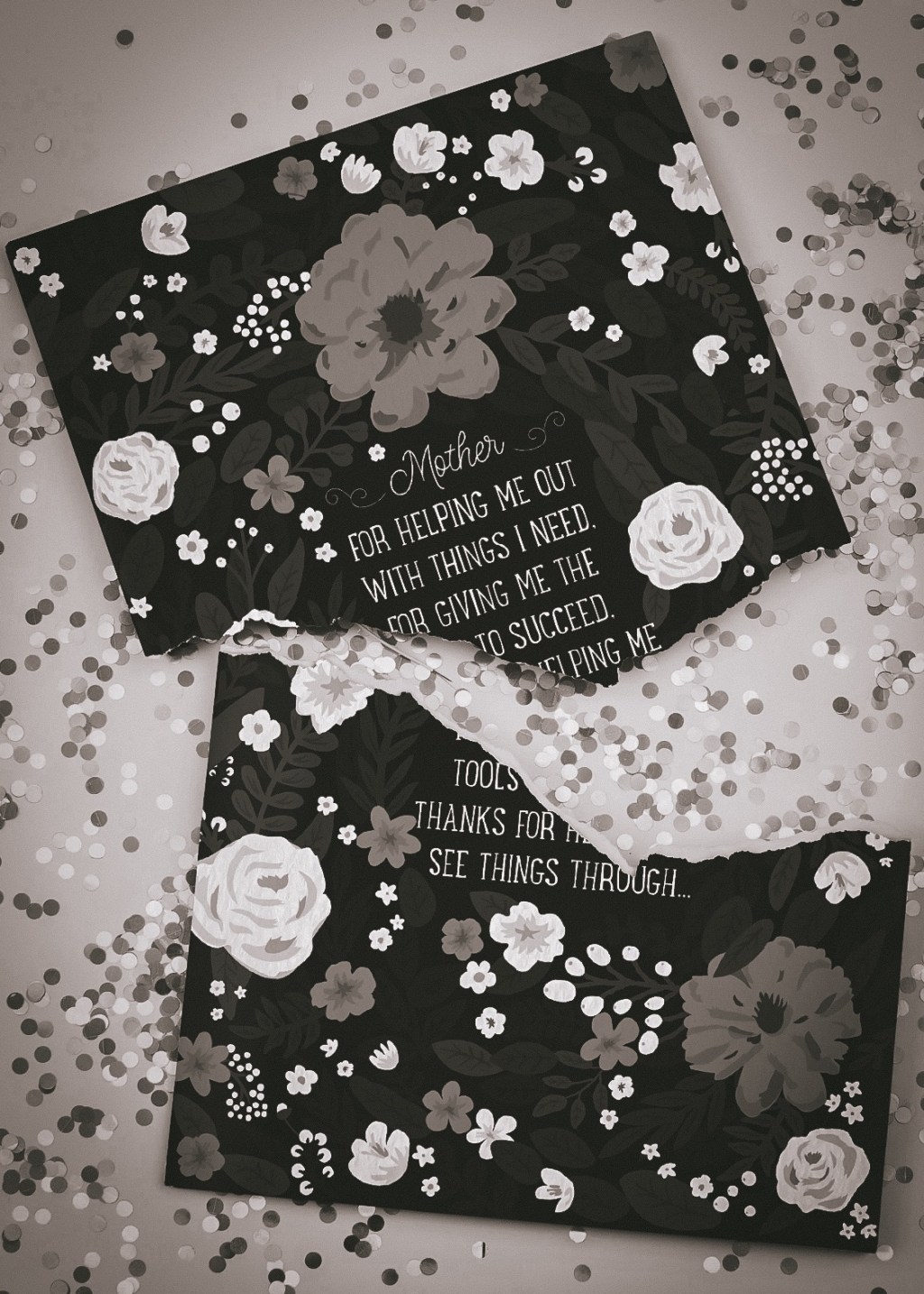
Mother’s Day has a way of reopening every unanswered question.
And somehow, it becomes even more complicated when you’re a mother yourself now.
Because you’re no longer only grieving as a daughter.
You’re feeling it as a mother to an adult daughter too.
You start seeing both sides of womanhood at once.
You think about what you needed.
You think about what you gave.
You think about the cycles you fought to break.
You think about the things you pray your own daughter never has to heal from.
And there’s a strange loneliness in mothering while grieving motherhood at the same time.
Some Mother’s Days make you want to disappear for 24 hours.
To silence your phone.
Avoid social media.
Skip church.
Ignore the restaurant crowds.
Pretend the day simply doesn’t exist.
Not because you’re bitter.
Not because you hate other people’s joy.
But because surviving the emotions of the day itself feels exhausting.
Because sometimes you’re not grieving a person entirely.
Sometimes you’re grieving the relationship you hoped would exist one day.
The conversation.
The apology.
The softness.
The repair.
The “I see you now.”
The mother-daughter relationship you kept believing could still happen.
And yet… life still asks you to show up.
Your children still need you.
People still say “Happy Mother’s Day” with no idea what the day costs you internally.
You still have responsibilities.
Still have dinner to cook.
Still have people to love well while your own heart feels tender.
That’s the hard part no one explains.
How can you feel emotionally hollow and still be expected to perform celebration?
But maybe showing up doesn’t have to mean pretending.
Maybe this Mother’s Day, showing up simply means surviving it gently.
Maybe it means letting yourself feel the grief without shame.
Maybe it means protecting your peace.
Maybe it means crying in the bathroom for five minutes and then walking back out.
Maybe it means celebrating the mother you became despite the pain you carried.
Because that matters too.
Sometimes the greatest testimony is not that the relationship was repaired.
Sometimes the testimony is:
the pain didn’t make you stop loving well.
To the estranged daughters…
To the eldest daughters carrying silent emotional labor…
To the mothers trying to parent differently while healing simultaneously…
I hope you give yourself grace this Mother’s Day.
You are not weak for feeling conflicted.
You are not dishonoring anyone by acknowledging your grief.
And you are not failing because the day hurts.
Some wounds don’t disappear just because the calendar says “celebrate.”
But even here
in the ache,
in the tension,
in the complicated silence
you are still becoming someone beautiful.


 Wini's Table
Leave a comment